Metal Fabrication Services

Forging the Future: The Rising Evolution of Metal Fabrication in a Changing World

Metal Fabrication Boise has long been the backbone of modern construction and manufacturing. It is the art and science of shaping raw metal into precise, functional, and durable structures. This process is fundamental to nearly every industry, from architecture to aerospace, yet its evolution continues to accelerate. As technology advances and demand diversifies, metal fabrication is entering a new era defined by innovation, efficiency, and versatility.
Metal Fabrication

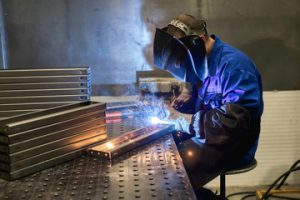
At its core, metal fabrication is about transformation. Sheets, rods, and alloys are cut, bent, welded, and assembled into products that power industries and support daily life. From small mechanical parts to massive structural frameworks, the scope of fabrication is vast. This diversity demands both precision and creativity, blending technical skill with engineering vision.

One of the most significant shifts in modern fabrication is the emphasis on customization. Clients now expect solutions tailored to specific applications rather than one-size-fits-all designs. This has pushed fabricators to develop flexible production processes that can accommodate unique shapes, sizes, and specifications. As a result, fabrication today is as much about problem-solving as it is about production.

The rise of automation has dramatically changed how metal fabrication operates. Machines equipped with advanced control systems now perform tasks that once required extensive manual labor. This automation not only boosts productivity but also improves accuracy and repeatability. Fabricators can achieve complex designs with minimal error, reducing waste and production costs.

Precision is the heartbeat of modern fabrication. Even the smallest deviation can compromise the integrity of a structure or component. With the help of digital modeling and computer-aided manufacturing, fabricators now work with microscopic tolerances. This precision ensures that parts fit seamlessly, function reliably, and meet stringent safety standards.

Sustainability is another driving force behind the evolution of metal fabrication. Environmental concerns have led industries to seek more efficient ways to produce and recycle metal products. Modern facilities focus on reducing material waste, optimizing energy use, and reusing scrap. These eco-conscious practices align fabrication with global sustainability goals without sacrificing quality.

Material innovation has also played a crucial role in shaping the industry’s future. Traditional metals like steel and aluminum remain dominant, but new alloys and composites are expanding possibilities. These materials offer enhanced strength, corrosion resistance, and weight reduction, unlocking new applications. As industries demand higher performance, fabricators are exploring more advanced materials to meet those challenges.

The integration of digital technologies has brought a new level of intelligence to metal fabrication. Sensors, software, and real-time monitoring allow for continuous quality control throughout production. Data analytics optimize workflows and predict maintenance needs, preventing costly downtime. This digital transformation has turned fabrication into a smart, data-driven operation.

Additive manufacturing, commonly known as metal 3D printing, is one of the most disruptive trends in the field. Instead of cutting or shaping material, it builds parts layer by layer. This approach reduces waste, shortens production times, and enables the creation of complex geometries previously impossible with traditional methods. As the technology matures, its integration into fabrication workflows is becoming more widespread.

The versatility of metal fabrication extends beyond industrial applications. Artistic and architectural projects increasingly rely on custom-fabricated metal components for their aesthetic and structural qualities. Designers collaborate with fabricators to create intricate facades, sculptures, and interior elements. This fusion of art and engineering showcases the creative potential of the craft.

Globalization has influenced the dynamics of the fabrication industry as well. As supply chains become more interconnected, fabricators must adapt to international standards and specifications. This has driven improvements in quality control, documentation, and certification processes. The result is a more robust and globally competitive industry.

Workforce development remains a critical component of successful fabrication operations. Despite increasing automation, skilled technicians and engineers are still essential. Their expertise ensures machines are used effectively and that projects meet technical requirements. Continuous training keeps the workforce aligned with evolving technologies and safety standards.

Safety is paramount in metal fabrication, where heavy machinery and high temperatures are common. Modern facilities implement rigorous safety protocols and equipment designs to protect workers. Automation has reduced exposure to hazardous tasks, further enhancing workplace safety. These improvements foster a culture where efficiency and well-being go hand in hand.

The future of metal fabrication is increasingly collaborative. Partnerships between manufacturers, designers, engineers, and clients are more integral than ever. This collaborative approach accelerates innovation and ensures projects align with both functional and aesthetic goals. By breaking down traditional silos, fabrication becomes a more dynamic and responsive industry.

As industries evolve, so too does the demand for lightweight yet strong materials. The automotive and aerospace sectors, for example, require components that improve fuel efficiency without sacrificing safety. Metal fabricators are at the forefront of developing and producing these advanced solutions. This adaptability ensures their relevance in a rapidly changing technological landscape.

Infrastructure development is another key driver of fabrication growth. As urbanization expands, the need for durable bridges, buildings, and transportation systems increases. Metal fabrication provides the structural elements that make these projects possible. Its role in shaping skylines and connecting cities underscores its importance in modern society.

Repair and maintenance services have become valuable extensions of fabrication capabilities. Instead of replacing entire systems, industries now prefer to refurbish and upgrade existing components. This approach reduces costs and environmental impact while extending the lifespan of critical infrastructure. Metal fabricators are central to this shift toward more sustainable lifecycle management.

Digital twins are emerging as a powerful tool in fabrication. These virtual replicas of physical components allow for simulations and testing before production begins. Engineers can identify potential flaws, optimize designs, and improve performance virtually. This predictive approach reduces errors, accelerates development, and enhances overall quality.

The push for faster turnaround times has also influenced fabrication practices. Just-in-time manufacturing and lean production techniques minimize delays and reduce inventory costs. These strategies improve efficiency without compromising quality. As clients demand quicker delivery, fabricators continue to refine their processes.

The economic impact of metal fabrication extends far beyond the factory floor. It supports a vast network of suppliers, contractors, and service providers. This ecosystem drives innovation, creates jobs, and fuels industrial growth. In many ways, metal fabrication is the foundation upon which modern economies are built.

Looking ahead, the convergence of technologies promises even more transformative changes. Robotics, artificial intelligence, and advanced analytics will further automate and optimize production. Human expertise will shift toward higher-level problem-solving and strategic decision-making. The result will be a more intelligent, adaptive, and resilient industry.

Sustainability will remain a central focus as environmental regulations tighten and consumer expectations evolve. Circular economy principles, where materials are continuously reused and repurposed, will become standard practice. Fabricators will play a key role in creating closed-loop systems that minimize waste and maximize resource efficiency. This evolution positions the industry as a leader in sustainable manufacturing.

The future may also see greater integration of hybrid manufacturing techniques. Combining additive and subtractive methods allows fabricators to exploit the strengths of both. This hybrid approach opens new possibilities for complex, high-performance components. It represents the next step in the evolution of fabrication capabilities.

Ultimately, the story of metal fabrication is one of constant reinvention. It has transformed from a manual craft into a sophisticated, technology-driven discipline. Its influence touches every corner of modern life, from the structures we inhabit to the machines that move us. And as innovation accelerates, its potential continues to expand.

The coming decades promise exciting opportunities for those willing to embrace change. Fabricators that invest in technology, talent, and sustainability will lead the way. Their work will shape the infrastructure, industries, and innovations of the future. In this ever-evolving landscape, metal fabrication remains a cornerstone of progress, resilience, and possibility.

From its ancient origins to its cutting-edge present, metal fabrication reflects humanity’s drive to build, improve, and innovate. It is a discipline that adapts to challenges and anticipates needs. And as it continues to evolve, it will not only shape the world we live in but also define the future we imagine. The art of shaping metal is, ultimately, the art of shaping tomorrow.


Junk Removal Services

Silent Shifts: The Unseen Evolution of Rubbish Removal and Demolition

Rubbish piles up quietly until it suddenly reshapes our surroundings. What was once seen as waste is now viewed as a potential resource, prompting a shift in how it is removed. The old notion of simply discarding materials has faded as new methods emerge. This evolution reflects changing values about space, sustainability, and human impact.

Rubbish Removal

Demolition has also transformed from brute force into calculated precision. Instead of collapsing entire structures at once, newer techniques focus on careful deconstruction. This method allows materials to be separated for reuse rather than sent to landfills. It signals an industry becoming more mindful of what it leaves behind. Visit Website to learn more.

One of the striking changes is the integration of sorting technology during rubbish removal. Machines can now distinguish between metals, plastics, and organic matter in seconds. This reduces human error while speeding up the process. It also prevents valuable materials from disappearing into heaps of discarded debris.

Rubbish removal teams now often arrive with mobile processing units. These compact systems can break down waste at the collection site. It eliminates long trips to distant facilities, reducing emissions and fuel costs. This localized processing mirrors how industries aim to shrink their environmental footprints.

Demolition projects increasingly use dismantling robots to handle high-risk tasks. These machines can work in unstable structures without endangering human workers. They can also remove materials piece by piece for easier sorting. It represents a shift where safety and sustainability are treated as inseparable goals.

Some rubbish removal services have begun linking with creative industries. Materials that once would have been dumped are given new artistic or architectural roles. Broken wood can become furniture, and shattered glass can be reshaped into decor. This blend of utility and artistry reduces waste while inspiring innovation.

Demolition firms are experimenting with noise-reduction techniques during their operations. Quiet hydraulic systems and dust-capturing equipment reduce disruption to nearby communities. This marks a move from aggressive destruction to considerate transformation. The work now respects not just what is demolished, but who lives around it.

Rubbish removal is also embracing digital mapping to streamline collection routes. Sensors track fill levels of containers, ensuring trucks only visit when needed. It cuts down unnecessary journeys while accelerating response times. This integration of data shows how even waste handling can become smart.

The materials from demolished sites are increasingly treated like inventory rather than refuse. Steel beams, bricks, and tiles are cataloged for resale or repurposing. This reduces the need for raw material extraction elsewhere. Each saved piece carries forward the history of the old structure into new spaces.

In some demolition projects, structures are frozen before dismantling. This involves cooling them to extremely low temperatures to make materials brittle and easy to separate. It reduces the energy needed for mechanical breaking. Such techniques demonstrate how innovation reshapes the fundamentals of demolition work.

New biological treatments are changing how organic rubbish is handled. Special microbes break down food and garden waste rapidly, producing usable compost. This reduces the volume sent to landfills while creating valuable soil material. It transforms what was once decay into growth.

Demolition scheduling has also grown more flexible thanks to modular planning systems. These systems can pause and resume projects based on material recovery rates. They prevent overproduction of debris while maximizing reuse opportunities. It turns demolition into a measured rhythm rather than a sudden event.

Rubbish removal is starting to merge with community education efforts. Teams explain how proper segregation can speed up recycling and lower costs. This builds public cooperation and reduces contamination of sorted waste. It frames removal not as a cleanup service, but as part of a shared responsibility.

Some demolition specialists are now studying the emotional weight of old buildings. Instead of treating them as obstacles, they document their history before disassembly. Parts are preserved as cultural artifacts rather than crushed. It gives the act of demolition a sense of continuity instead of finality.

There is a rise in compact demolition techniques suited for dense urban environments. These methods minimize vibrations and structural shock to nearby buildings. They use controlled micro-explosions or water jet cutting to isolate sections. Such precision lets demolition coexist with active surroundings.

In rubbish removal, traceability has become a priority. Each item collected can be tracked through digital tags until it reaches its final form. This transparency builds trust and accountability in waste systems. It also allows analysts to identify inefficiencies and correct them.

Some companies have begun using AI-driven predictions for rubbish generation. By forecasting waste levels, they can adjust workforce and vehicle deployment. This prevents overflow while avoiding underused resources. It shows how data and foresight can reshape even the most routine tasks.

Demolition sites are also starting to operate as material marketplaces. Instead of shipping everything away, salvaged items are sold directly on-site. This reduces transport costs and gives immediate value to recovered pieces. It reframes demolition as a supply source rather than a disposal act.

Water recycling is now being integrated into demolition processes. Water used for dust suppression is filtered and reused instead of discarded. This conserves resources and prevents pollution of local waterways. It proves that even temporary projects can adopt circular practices.

Rubbish removal vehicles are being redesigned to handle multiple functions at once. One truck can now collect, compress, and pre-sort waste during its route. This cuts down on the number of vehicles required for a single task. It blends efficiency with reduced environmental strain.

In demolition, real-time structural scanning is becoming standard. Lasers and ground-penetrating radar identify weak points before dismantling begins. This reduces accidental collapses and improves safety for all involved. It represents demolition as a science as much as a service.

Rubbish removal is also shifting toward pay-for-output systems. Instead of flat rates, clients are charged based on how well materials are separated for reuse. This encourages better waste habits from the start. It turns rubbish management into a collaborative performance.

Hybrid demolition methods now combine mechanical and chemical approaches. Weakening bonds between materials chemically allows faster and safer dismantling. It reduces the heavy force required and limits dust production. This dual method balances speed with environmental care.

The most unexpected development is the rise of temporary demolition reversals. Some structures are dismantled only to be reconstructed in new forms using the same parts. It creates a fluid cycle of space-making rather than permanent removal. This idea questions what demolition truly means.

Rubbish removal and demolition no longer signify endings alone. They are becoming stages of renewal, where materials are not lost but transformed. This shift aligns destruction with design, and disposal with creation. The future of clearing space now carries the promise of building it again.

Home Inspections
Uncategorized

The Ultimate Home Inspector Guide: Key Steps, Tools, and Best Practices for Accurate Inspections

The Ultimate Home Inspector Guide: Key Steps, Tools, and Best Practices for Accurate Inspections

A home inspection is one of the most critical steps in the property buying and selling process. It ensures that a home meets safety standards, identifies hidden issues, and helps buyers make informed decisions. For professionals and homeowners alike, understanding the essentials of home inspection can make a significant difference in property value and long-term maintenance costs. This guide outlines the core principles, best practices, and necessary tools for conducting thorough and accurate home inspections.


Why Home Inspections Matter

Home Inspections

Home inspections protect buyers from unexpected repair costs and give sellers an opportunity to address issues before listing a property. For real estate professionals, it builds trust and transparency in the transaction process. A comprehensive inspection goes beyond visual assessments; it provides a deeper understanding of the property’s structural integrity, safety compliance, and potential repair needs.


Essential Areas to Inspect

A professional inspection covers multiple components of a home. Each area requires careful evaluation to ensure functionality and compliance with building standards.

  1. Foundation and Structure
    The foundation is the backbone of any home. Inspectors check for cracks, uneven settling, and water intrusion. Structural issues can indicate serious long-term problems if not addressed promptly.
  2. Roofing System
    The roof protects the entire property from environmental damage. Inspectors evaluate shingle condition, flashing, gutters, and ventilation. Leaks or missing shingles can lead to costly water damage if ignored.
  3. Plumbing System
    Plumbing issues can cause severe damage over time. Inspections include checking for leaks, water pressure, and proper drainage. Water heater performance and the condition of visible pipes are also reviewed.
  4. Electrical System
    Safety is the top priority when inspecting electrical systems. Inspectors look for outdated wiring, overloaded circuits, and properly grounded outlets. Compliance with modern electrical codes is essential to prevent fire hazards.
  5. HVAC (Heating, Ventilation, and Air Conditioning)
    The HVAC system affects both comfort and energy efficiency. Inspectors check filters, ductwork, and overall performance. A well-maintained system not only saves money but also improves indoor air quality.
  6. Interior and Exterior Elements
    Walls, ceilings, flooring, doors, and windows are evaluated for structural soundness and signs of damage. On the exterior, siding, drainage systems, and landscaping are reviewed to ensure proper water runoff.

Tools Every Home Inspector Should Use

Accuracy in home inspection depends on the right tools. Here are some essentials for a professional assessment:

  • Moisture Meters – Detect hidden water damage in walls, floors, and ceilings.
  • Infrared Cameras – Identify insulation gaps, leaks, and overheating electrical components.
  • Voltage Testers – Ensure electrical outlets and wiring are functioning safely.
  • Ladders and Safety Gear – Necessary for inspecting roofs and attics.
  • Digital Cameras – Document issues for reports and client communication.
  • Gas Leak Detectors – Essential for identifying hazardous gas leaks in the property.

Using advanced technology not only improves accuracy but also builds client confidence by providing clear, documented evidence.


Best Practices for a Thorough Inspection

  1. Follow a Standardized Checklist
    Using a structured checklist ensures no critical area is overlooked. Many professional organizations offer guidelines that inspectors can adapt for their work.
  2. Document Everything
    Clear photos and detailed notes are crucial for creating comprehensive reports. Documentation helps clients understand the condition of the home and supports recommendations for repairs or maintenance.
  3. Communicate Findings Clearly
    Homeowners and buyers may not be familiar with technical terms. Explaining issues in simple language, along with providing repair estimates, adds value to the inspection.
  4. Stay Updated on Regulations
    Building codes and safety standards change over time. Continuous education ensures that inspectors remain compliant and provide the most accurate assessments.
  5. Focus on Safety First
    If an inspection reveals immediate hazards, such as electrical risks or gas leaks, these should be communicated urgently to the client for prompt resolution.

Common Issues Found During Home Inspections

While every property is unique, some issues frequently appear during inspections:

  • Roof leaks or damaged shingles
  • Faulty electrical wiring
  • Plumbing leaks and poor water pressure
  • HVAC inefficiencies
  • Foundation cracks or settling
  • Insufficient insulation or ventilation

Identifying these problems early allows homeowners and buyers to make informed decisions about repairs, pricing, and long-term maintenance.